Hydraulic Suction Strainer & Filter Manufacturer
Submerged tank-intake suction strainers engineered to shield hydraulic pumps from destructive reservoir contaminants. Precision-pleated stainless steel wire cloth provides high-volume fluid flow with low inlet vacuum drop to eliminate pump cavitation.
What Is a Hydraulic Suction Strainer?
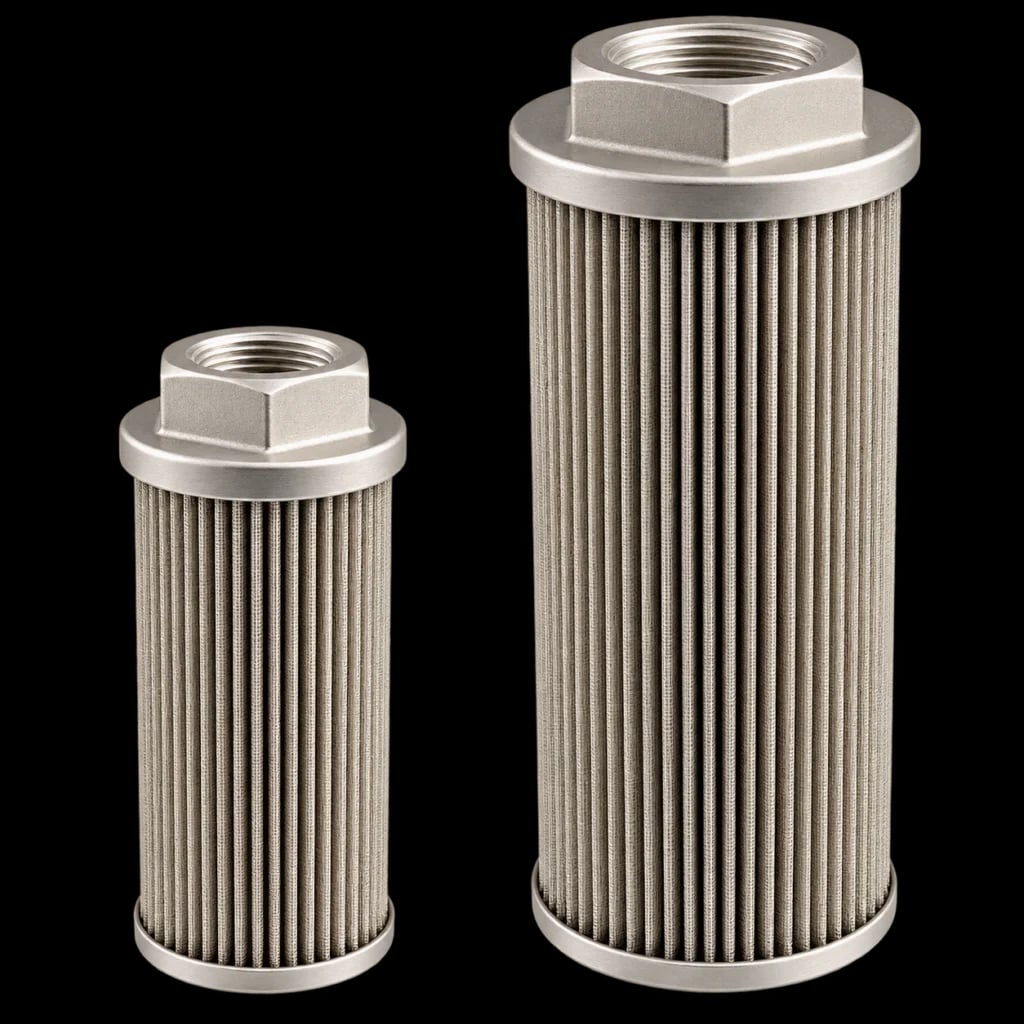
A hydraulic suction strainer (commonly called a tank suction filter, pump intake strainer, or sump strainer) is a coarse filtration element fully submerged inside the hydraulic reservoir directly at the entrance of the pump suction pipe.
As the hydraulic pump draws fluid from the reservoir, the suction strainer acts as the critical frontline guardian of the fluid power circuit. It physically intercepts and captures coarse abrasive particles—such as welding slag, metal chips, pipe scale, rags, thread tape remnants, and casting sand—before they can enter the precision meshing teeth of a gear pump or the sliding pistons of an axial piston pump.
Unlike pressure or return filters that can tolerate tight micron ratings (such as 10 microns), suction strainers must be carefully calibrated to balance debris retention with minimal pressure drop (typically 125 to 149 microns / 100 to 120 mesh). Restricting pump suction below allowable atmospheric inlet pressure causes localized oil vaporization, acoustic cavitation, and catastrophic pump destruction within minutes. Honeywell Hydraulics supplies heavy-duty pleated stainless steel wire mesh strainers engineered with generous surface areas to guarantee maximum flow with virtually zero vacuum resistance.
Engineering Highlights of Our Suction Strainers
Built to provide maximum flow area, structural collapse resistance, and long-term pump protection.
Pleated Stainless Steel (SS 304) Wire Cloth
Deep longitudinal pleating multiplies the active filtration surface area by up to 300% compared to flat screen tubes, allowing higher flow rates with minimal pressure drop.
Heavy Perforated Support Core
Internal heavy-gauge perforated steel center tube prevents wire mesh collapse even under high suction vacuum conditions or cold-start viscous oil surges.
Optional 0.2 Bar Built-In Bypass Valve
Integral spring-loaded bypass valve cracks open at 0.2 Bar (3 PSI) differential pressure if the strainer becomes severely clogged, prioritizing oil supply to save the pump from dry running.
Generous Flow Capacities (15 to 600 LPM)
Available in standard threaded sizes from compact 3/8" BSPP for mini power packs up to 3" BSPP for heavy 500-ton press machine reservoirs.
Washable & Reusable Media
The rugged AISI 304 stainless steel wire mesh can be thoroughly cleaned using clean petroleum solvent or kerosene during routine maintenance cycles.
Cast Aluminum or Nylon End Caps
Precision-threaded male connection caps bonded with high-strength, oil-resistant epoxy resin ensure absolute structural integrity under continuous fluid immersion.
Technical Specifications
Dimensional standards and nominal flow ratings for Honeywell Hydraulics submerged suction strainers.
Hydraulic Suction Strainer Technical Specifications & Sizing
| Parameter | Value |
|---|---|
| Product Designation | Submerged Tank Intake Suction Strainer (STR / YSS Series) |
| Filtration Rating | 149 Micron (100 Mesh) Standard | 125 Micron (120 Mesh) Optional |
| Filtration Material | AISI 304 Stainless Steel woven wire cloth (pleated geometry) |
| Available Thread Sizes | 3/8", 1/2", 3/4", 1", 1-1/4", 1-1/2", 2", 2-1/2", 3" BSPP (NPT available) |
| Nominal Flow Rating Range | 15 LPM (3/8") to 600 LPM (3") at 30 cSt clean oil viscosity |
| Clean Pressure Drop (ΔP) | < 0.02 Bar (0.3 PSI) at nominal rated fluid flow |
| Bypass Valve Crack Pressure | 0.2 Bar ± 0.03 Bar (3 PSI) spring-loaded check valve (optional) |
| Collapse Pressure Rating | Up to 3.0 Bar (45 PSI) without structural failure |
| Operating Temperature Limits | -20°C to +100°C (-4°F to 212°F) |
| Fluid Suitability | Mineral oils, synthetic hydraulic fluids, lubricating oils, water glycols |
Standard Strainer Variations
Choose between standard direct-intake strainers and bypass-equipped variants.
Non-Bypass Suction Strainers (Standard)
Rigid all-mesh design providing absolute positive filtration. Recommended for systems where pump safety is managed via vacuum switches or routine maintenance.
- Guarantees zero unfiltered oil enters the pump inlet
- Heavy pleated AISI 304 mesh construction
- Cost-effective baseline defense for standard power packs
Suction Strainers with Built-In Bypass Valve
Incorporates an internal spring check valve that opens at 0.2 Bar vacuum drop if oil viscosity is high or mesh is fouled, preventing pump dry-running.
- Internal 3 PSI relief valve protects pump from starvation
- Essential for cold climates and high-viscosity start-ups
- Maintains continuous hydraulic flow during emergency clogging
Magnetic Suction Strainers
Equipped with powerful central neodymium magnetic rods that capture sub-micron ferrous metallic dust before it reaches the mesh.
- Traps fine metallic wear particles below 100 microns
- Reduces particulate burden on primary return filters
- Easily wiped clean during scheduled tank overhauls
Where Suction Strainers Are Essential
Standardized protective filtration across industrial hydraulic machinery and automated production cells.
Hydraulic Power Pack Builders
Fitted on the suction inlet of all single-phase, 3-phase, and multi-station hydraulic power units.
Plastic Processing & Extrusion Lines
Shielding main hydraulic pumps from tank sediment on injection moulding machines operating 24/7.
Heavy Hydraulic Presses & Balers
Providing high-volume intake flow (up to 600 LPM) for high-tonnage scrap balers and forging presses.
Mobile Cranes & Material Handling Lifts
Safeguarding hydraulic gear and vane pumps on goods lifts, dock levelers, and scissor lift platforms.
Engineering Rules for Sizing & Locating Suction Strainers
Flow Oversizing RuleOversize Strainer Flow Capacity by 2× to 3×
Never size a suction strainer exactly equal to pump flow rate. Sizing rule: Strainer Rated Flow (LPM) ≥ 2.0 × Pump Delivery Flow (LPM). For cold-climate installations using ISO VG 68 oil, oversize by 3.0× to compensate for high viscosity during cold starts.
Submergence DepthPreventing Suction Vortex & Air Ingestion
The suction strainer must be positioned at least 100mm to 150mm below the MINIMUM operational oil level to prevent surface vortices that ingest air bubbles into the pump intake pipe.
Tank Bottom ClearanceClearance from Tank Bottom Sediment
Mount the strainer at least 50mm above the bottom floor of the reservoir to avoid sucking up dense settling sludge, weld grit, and moisture pockets that collect on the tank base.
Complementary Filtration & Power Pack Products
Combine your suction strainer with our matched tank breathers, return filters, and gear pumps.
Browse all products →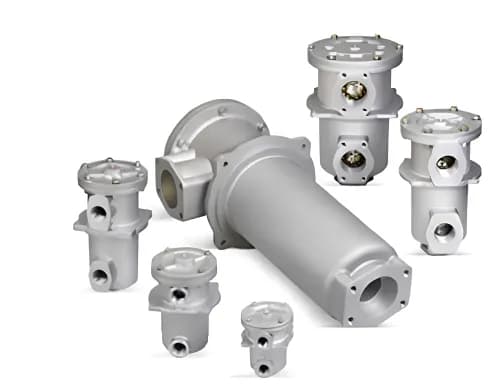
Hydraulic Return Line Filters
Tank-top mounted return filters capturing fine 10–25 micron wear particulates.
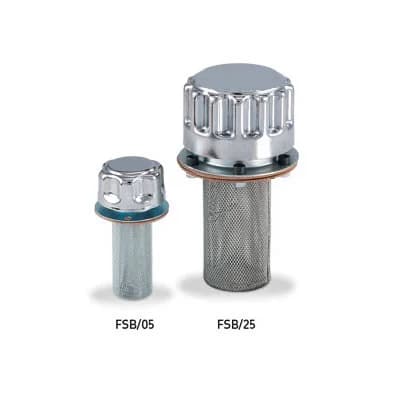
Hydraulic Tank Air Breathers
Multi-micron air filtration caps maintaining reservoir pressure equilibrium.
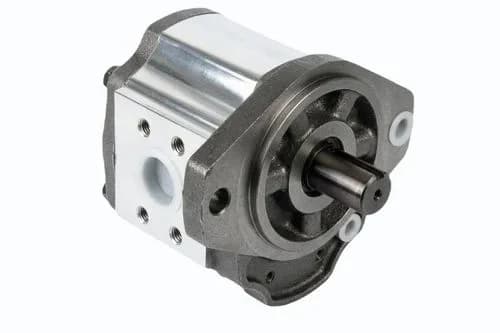
Hydraulic Gear Pumps
High-pressure external gear pumps and tandem units protected by suction strainers.
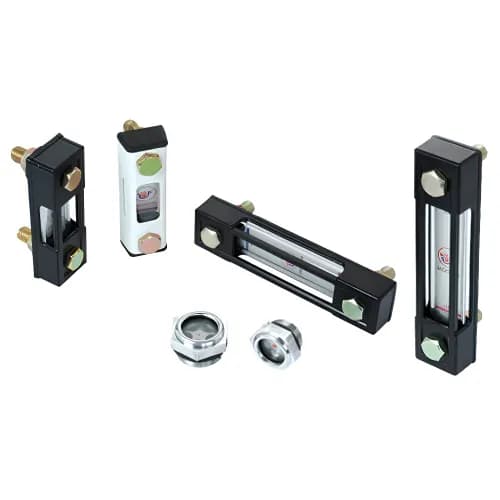
Hydraulic Oil Level Gauges
Visual sight level gauges with integrated dial thermometers for reservoir monitoring.
Proven Performance on the Factory Floor
Read direct feedback from plant managers, machine builders, and OEM procurement teams across India who run Honeywell Hydraulic Suction Strainer in high-duty operations.
“125-micron stainless steel wire mesh protects the gear pump suction port from reservoir debris with virtually zero inlet pressure drop. Excellent build quality.”
Mr Rajesh Mistry
Senior Mechanical Engineer, Neelam Fabricators
Order feedback: 2026-09-20
“Durable pleated mesh design with high flow capacity. Essential first line of defense against catastrophic pump contamination across all our power pack installations.”
Mr Ketan Patel
Chief Technical Officer, Creative Automation
Order feedback: 2026-10-18
Frequently Asked Questions
Find answers to common questions about our custom hydraulic cylinder manufacturing process and capabilities.
Still have questions?
Our engineering team is ready to discuss your specific hydraulic requirements.
Protect Your Hydraulic Pumps with Heavy-Duty Suction Strainers
Order precision stainless steel wire mesh suction strainers, custom thread sizes, and bypass-equipped models from Honeywell Hydraulics. Factory-direct stock in Ahmedabad with fast delivery nationwide.